


Holographic Sight Optics for Accurate Targeting
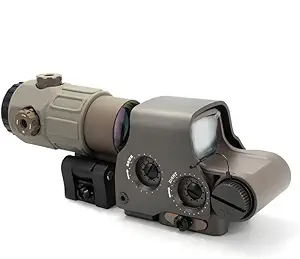
Many modern firearms and tactical devices need faster target acquisition and higher accuracy than traditional optics can offer. This article explains how holographic optics solve these issues for manufacturers and engineers.
The Industry Problem with Traditional Sight Systems
Common Limitations
-
Slow aiming process
-
Eye alignment is critical
-
Poor performance in low light
-
Limited field of view
-
Reduced accuracy for moving targets
What is a Holographic Sight?
Basic Concept
A holographic sight uses laser-generated holographic reticles projected through precision optics. The user sees a clear reticle that appears on the same focal plane as the target, improving speed and accuracy.
How a Holographic sight Works
Working Mechanism
-
Laser creates a hologram of the reticle
-
Optical lenses collimate and project the image
-
Reticle stays aligned with the target regardless of eye position
-
User can keep both eyes open while aiming
Problems in Older Optical Sight Designs
Key Drawbacks
-
Parallax errors
-
Reflection and glare problems
-
Bulky optical components
-
Limited durability in harsh environments
-
Fogging and moisture sensitivity
How Modern Holographic Sight Solves These Problems
Technical Improvements
-
Parallax-free design
-
Anti-reflection coated optics
-
Compact and lightweight structure
-
Wide viewing window
-
Weatherproof and shock-resistant housing
Key Features Manufacturers Look For
Important Features
-
High optical clarity
-
Stable holographic reticle
-
Adjustable brightness levels
-
Wide field of view
-
Low power consumption
-
Easy integration into devices
Holographic Sight vs Reflex and Iron Sights
| Feature | Holographic Sight | Reflex Sight | Iron Sights |
|---|---|---|---|
| Target Acquisition | Very Fast | Fast | Slow |
| Eye Position Flexibility | High | Medium | Low |
| Low Light Use | Excellent | Good | Poor |
| Field of View | Wide | Moderate | Narrow |
| Accuracy | Very High | High | Moderate |
Real Applications Across Industries
Application Areas
-
Tactical and defense equipment
-
Hunting and sporting firearms
-
Law enforcement tools
-
Training and simulation devices
-
Outdoor targeting systems
Why Manufacturers Prefer Holographic sight Optical Modules
Manufacturing Benefits
-
Compact module integration
-
Custom coating and lens options
-
Stable performance in harsh conditions
-
Easy alignment during assembly
-
Long service life
How to Choose the Right Holographic Sight Optics
Selection Checklist
-
Required field of view
-
Reticle design and size
-
Environmental resistance needs
-
Size and mounting requirements
-
Brightness control and power usage
Conclusion
Modern targeting systems require speed, clarity, and reliability that traditional sighting methods cannot deliver. Holographic optics use laser-generated reticles and precision lenses to provide fast, accurate aiming in all lighting and environmental conditions.
For manufacturers of tactical, sporting, and training equipment, integrating a holographic sight optical system increases product performance and user confidence. With compact design, durability, and easy integration, this technology has become a preferred solution in modern sighting devices.

 English
 Arabic
 Spanish
 Portuguese
 Deutsch
 Turkish
 Dutch
Dutch
 Italiano
 Russian
 Romaian
 Portuguese (Brazil)
 Greek
Greek
