


Green Coffee Beans - A Complete Guide to Unroasted Coffee
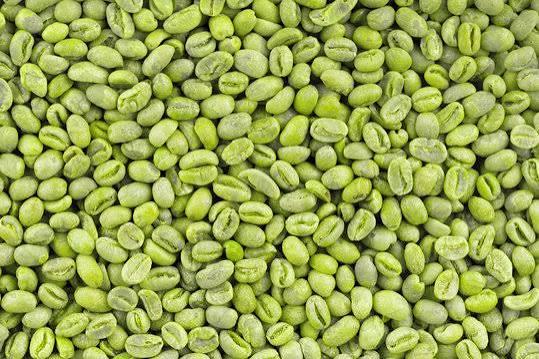
Coffee begins its journey long before it reaches your cup. Before roasting brings out the familiar aroma, color, and flavor we associate with coffee, the beans are naturally green. These unroasted beans are known as green coffee beans and play an important role in the coffee industry.
For coffee lovers interested in understanding how coffee is produced, learning about green beans offers a closer look at everything that happens before roasting.
What Are Green Coffee Beans?
Green coffee beans are raw, unroasted coffee seeds collected from coffee cherries after harvesting and processing. Unlike roasted coffee, they have a firm texture, a green-to-yellow appearance, and a much milder aroma.
At this stage, the beans have not developed the rich flavors associated with roasted coffee. Roasting transforms their chemical structure and creates the aroma, sweetness, acidity, and body that define the final coffee.
How Are Green Coffee Beans Produced?
The journey starts with ripe coffee cherries. Once harvested, the cherries are processed using methods such as washed, natural, or honey processing. The beans are then dried carefully until they reach an appropriate moisture level.
After drying and sorting, the raw beans are graded and prepared for storage or transportation. Their origin, altitude, variety, processing method, and growing conditions can all influence the characteristics they may develop during roasting.
Why Does Quality Matter?
The quality of green coffee beans provides an important foundation for the final roasted coffee. Roasters evaluate factors such as bean size, moisture, density, defects, origin, and processing method before deciding how to roast them.
High-quality raw beans can offer greater potential for developing distinctive flavors during roasting. However, roasting expertise is equally important because the same beans can produce different results depending on the roasting profile.
El Bueno Coffee Roasters focuses on the importance of carefully selected coffee and thoughtful roasting to bring out desirable characteristics from the beans.
How Does Roasting Change Green Beans?
Roasting is where raw coffee begins to develop its recognizable character. As the beans are exposed to controlled heat, their color changes from green to shades of brown. They also expand and release aromatic compounds.
During roasting, reactions such as the Maillard reaction and caramelization contribute to the development of flavor and aroma. The roast profile can influence whether the finished coffee tastes bright and fruity, balanced and sweet, or rich and bold.
This is why the quality of green coffee beans and the roasting process work together to shape the final cup.
What Should Coffee Buyers Look For?
When evaluating raw coffee, factors such as origin, variety, processing method, harvest information, and bean quality are useful considerations. Transparent sourcing information can also provide greater insight into where the coffee comes from and how it was processed.
For roasters, consistency is especially important. Well-handled green coffee beans can provide a reliable foundation for developing repeatable roasting profiles and maintaining the desired flavor characteristics.
FAQs
1. What are green coffee beans?
They are unroasted coffee beans obtained after coffee cherries are harvested and processed. They are later roasted to develop the flavors and aromas associated with coffee.
2. Are green coffee beans the same as roasted coffee beans?
No. Green beans are raw and unroasted, while roasted beans have been exposed to heat to develop their characteristic color, aroma, and flavor.
3. What affects the quality of green coffee?
Origin, coffee variety, altitude, processing, harvesting, drying, storage, moisture, and the presence of defects can all influence raw coffee quality.
4. Can green coffee beans be roasted at home?
Yes, they can be roasted using suitable home roasting equipment. However, achieving consistent results requires practice and an understanding of temperature and roast development.
5. Why is roasting important?
Roasting transforms raw beans and creates many of the aroma and flavor compounds found in finished coffee. The roast profile can significantly influence the final taste.
Conclusion
Green coffee beans are the starting point for the coffee we eventually enjoy in our cups. Their origin, variety, processing, and quality provide the foundation, while skilled roasting brings those characteristics to life.
For coffee enthusiasts, understanding this stage makes it easier to appreciate the work behind every carefully roasted batch. With a focus on quality and thoughtful roasting, El Bueno Coffee Roasters helps turn carefully selected coffee into an enjoyable everyday experience.

 English
 French
 Spanish
 Portuguese
 Deutsch
 Turkish
 Dutch
Dutch
 Italiano
 Russian
 Romaian
 Portuguese (Brazil)
 Greek
Greek
