


Neem Cake Organic Fertilizer: A Complete Guide to Better Soil Health and Sustainable Crop Production
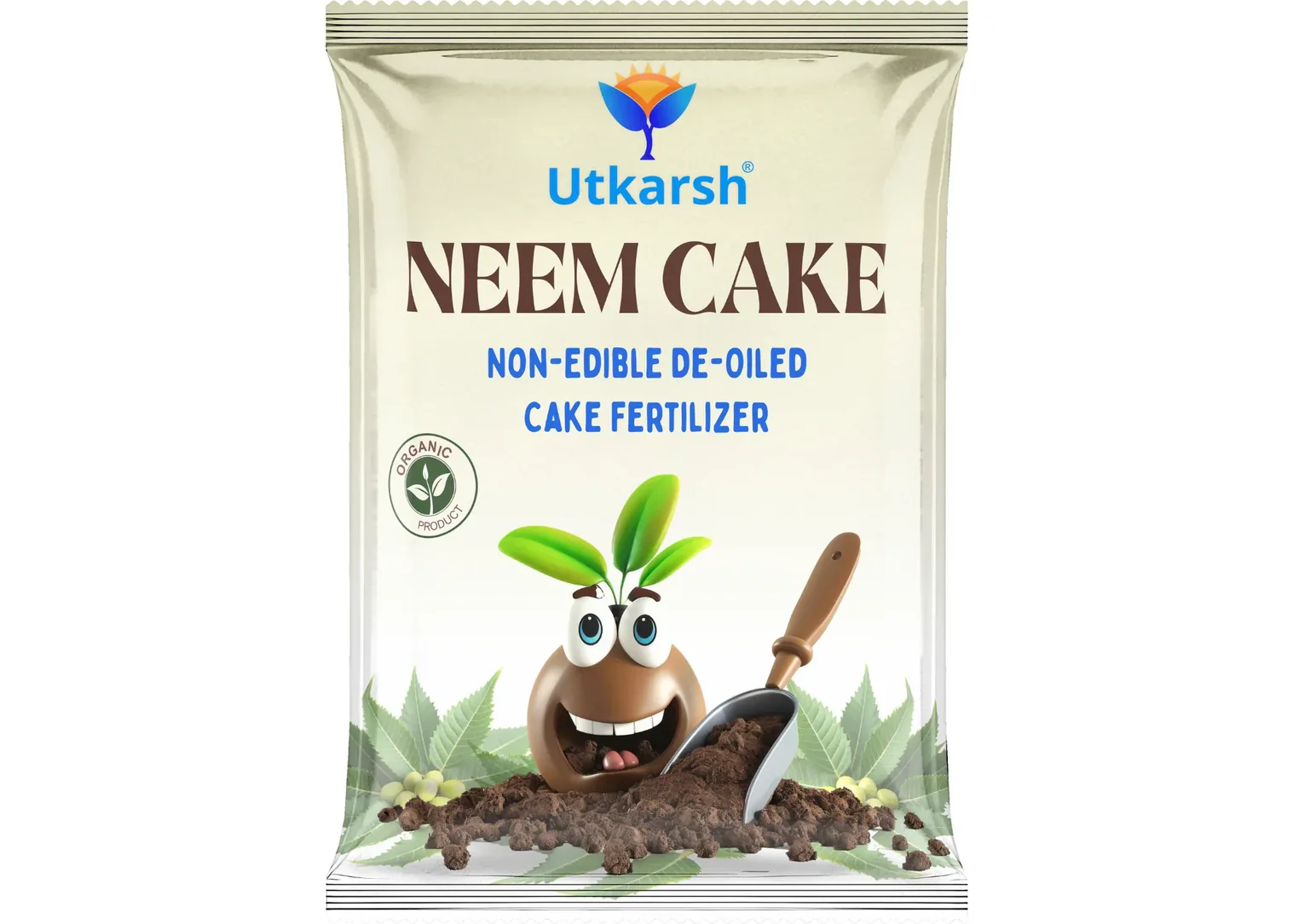
Neem cake organic fertilizer is a valuable organic soil amendment produced from the residue left after extracting oil from neem seeds. Farmers use it to improve soil fertility, enhance nutrient availability, and support healthy crop growth while reducing dependence on synthetic inputs. Rich in organic matter and natural bioactive compounds, it contributes to stronger root development and improved microbial activity. It is suitable for field crops, vegetables, fruit orchards, plantation crops, flowers, and home gardens. Many growers also prefer neem cake organic fertilizer because it fits well into integrated nutrient management programs that promote long-term soil productivity. Companies such as Utkarsh Agro also offer products that help farmers adopt more sustainable cultivation practices.
What is neem cake fertilizer used for?
Improving overall soil health by increasing organic matter and encouraging beneficial soil microorganisms. Healthy microbial populations help convert unavailable nutrients into forms that plant roots can absorb more efficiently. As a result, crops often show stronger early growth and improved resistance to environmental stress.
Neem cake is also widely valued for its ability to reduce nutrient losses, particularly nitrogen. When used with urea or other nitrogen fertilizers, it slows nitrogen conversion and minimizes leaching, allowing crops to utilize nutrients over a longer period. This improves fertilizer efficiency and can reduce unnecessary fertilizer applications during the growing season.
Another important use is supporting healthier root zones. Neem cake creates favorable soil conditions by improving moisture retention, soil structure, and aeration. Many farmers incorporate it before planting cereals, pulses, oilseeds, vegetables, spices, fruit trees, and ornamental crops because healthier roots often lead to better crop establishment and higher productivity.
How to apply neem cake to plants?
Helps farmers achieve the greatest benefit from this organic input. Neem cake should generally be mixed thoroughly into the soil rather than left on the surface. This allows soil microbes to break it down gradually and release nutrients over time while improving the biological condition of the root zone.
Application rates depend on crop type, soil condition, and farming practices. Common methods include:
-
Mix neem cake into the soil before sowing or transplanting.
-
Apply around the root zone of established fruit trees and cover lightly with soil.
-
Combine with compost or farmyard manure for improved organic nutrition.
-
Use alongside recommended fertilizer programs to improve nutrient efficiency.
-
Irrigate after application to activate microbial decomposition.
For container plants and kitchen gardens, smaller quantities mixed evenly with potting media are usually sufficient. Uniform distribution helps provide balanced nutrition while reducing localized nutrient concentration. Regular organic matter additions also improve soil texture over multiple growing seasons.
Which is better, neem cake or neem powder?
The answer depends on the intended agricultural purpose. Neem cake is mainly used as an organic fertilizer and soil conditioner because it contains fiber, organic nutrients, and beneficial compounds that remain after oil extraction. These characteristics make it especially suitable for improving soil fertility and supporting long-term crop nutrition.
Neem powder is generally produced by grinding neem leaves, seeds, or other plant parts into a fine material. It is more commonly used for botanical preparations or specific agricultural applications rather than serving as a primary soil nutrient source. Although both originate from the neem tree, their composition and practical uses differ significantly.
For improving soil health, encouraging microbial activity, and enhancing nutrient availability, neem cake remains the preferred choice for most agricultural systems. Neem powder may complement certain crop management practices, but it usually does not provide the same level of organic matter or long-lasting soil improvement that neem cake delivers.
What are the benefits of neem cake organic fertilizer?
One of its greatest strengths is its ability to improve soil quality without creating nutrient imbalance. Organic matter increases gradually, beneficial microorganisms multiply, and soil becomes more capable of supplying nutrients naturally throughout the crop cycle.
Key advantages include the following:
-
Improves soil structure and water-holding capacity.
-
Supports beneficial microbial populations.
-
Enhances nutrient use efficiency, especially nitrogen.
-
Promotes healthy root growth and vigorous plant establishment.
-
Contributes to long-term soil fertility.
-
Fits well into organic and sustainable farming systems.
-
Helps reduce nutrient losses through leaching.
These benefits become even more noticeable when neem cake is applied consistently over several growing seasons. Fields receiving regular organic amendments often develop better soil aggregation, improved drainage, and greater resilience during periods of moisture stress. Stronger soils also support healthier crop growth under varying environmental conditions.
When is the best time to apply neem cake fertilizer?
In most cropping systems, the ideal time is during land preparation before planting or transplanting. Early incorporation gives soil microorganisms enough time to begin decomposition so nutrients become available as young plants establish their root systems.
For perennial crops such as fruit orchards, vineyards, and plantation crops, neem cake can be applied before active growth begins or at the onset of the rainy season when soil moisture supports biological activity. Irrigation after application further improves decomposition and nutrient release.
Farmers may also use neem cake during crop rotations or after harvest to restore organic matter before the next planting season. Regular seasonal application provides cumulative improvements in soil fertility, making fields more productive over the long term while supporting balanced crop nutrition and sustainable agricultural management.
Practical Tips for Maximum Results with Neem Cake Organic Fertilizer
Successful use of neem cake organic fertilizer depends on combining it with sound soil management practices. Soil testing before planting helps determine nutrient status and allows farmers to balance organic amendments with mineral fertilizers where necessary. Integrating crop residues, compost, green manures, and biological inputs further strengthens soil health and supports consistent crop performance.
Good irrigation management also enhances the effectiveness of neem cake by encouraging microbial decomposition and nutrient mineralization. Farmers should avoid applying it to extremely dry soils without irrigation because microbial activity slows under moisture stress. Consistent use as part of an integrated nutrient management program provides the greatest economic and agronomic benefits while maintaining productive soils for future cropping seasons.
Conclusion
Neem cake organic fertilizer remains one of the most valuable organic inputs for improving soil fertility, supporting beneficial microorganisms, and enhancing sustainable crop production. Its gradual nutrient release, ability to improve nitrogen efficiency, and positive effects on soil structure make it suitable for a wide range of agricultural systems. Proper application before planting or during active growth periods helps maximize nutrient availability and root development. When combined with balanced fertilization, irrigation, and sound crop management practices, it contributes to healthier plants and improved yields. Regular use also builds long term soil productivity while reducing dependence on excessive chemical fertilizers. For farmers seeking reliable organic nutrition, neem cake organic fertilizer offers practical and scientifically supported benefits across diverse crops and growing conditions.

 Arabic
 French
 Spanish
 Portuguese
 Deutsch
 Turkish
 Dutch
Dutch
 Italiano
 Russian
 Romaian
 Portuguese (Brazil)
 Greek
Greek
