


Fibroid Removal Surgery: What to Expect Before, During, and After Treatment
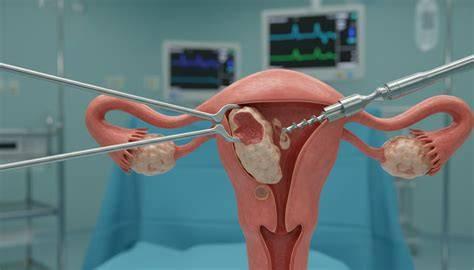
Uterine fibroids are common non-cancerous growths that develop in or around the uterus. Although some women experience no symptoms, others may suffer from heavy menstrual bleeding, pelvic pain, abdominal pressure, and fertility-related concerns. When fibroids begin affecting daily activities or reproductive health, medical treatment may become necessary.
Depending on the size, number, and location of the growths, a gynaecologist may recommend fibroid removal to relieve symptoms and improve quality of life. Understanding what happens before, during, and after surgery can help women feel more prepared and confident about their treatment decisions.
1. When Is Fibroid Removal Surgery Recommended?
Not every woman with uterine fibroids requires surgery. Small fibroids without significant symptoms may only need regular monitoring.
However, surgical treatment may be considered when fibroids cause:
- Heavy or prolonged menstrual bleeding.
- Persistent pelvic pain or abdominal pressure.
- Frequent urination due to bladder pressure.
- Difficulty becoming pregnant in selected cases.
- Anaemia caused by excessive menstrual bleeding.
- Significant discomfort that does not improve with medication.
A specialist will evaluate your symptoms, medical history, reproductive goals, and imaging results before recommending surgery.
2. Preparing for Fibroid Removal Surgery
Preparation is an important part of achieving a safe and successful surgical outcome.
Before the procedure, your gynaecologist may recommend:
Medical Assessment: A review of your medical history, existing conditions, medications, and previous surgeries.
Ultrasound or MRI: Imaging investigations help determine the number, size, and location of fibroids.
Blood Tests: These may assess haemoglobin levels and identify anaemia or other health concerns.
Medication Review: Your doctor may advise adjustments to certain medications before surgery.
Preoperative Instructions: Depending on the procedure and anaesthesia, you may need to avoid food and drinks for a specified period.
It is also important to discuss future pregnancy plans, as these may influence the choice of surgical procedure.
3. Different Types of Fibroid Removal Surgery
The most appropriate surgical technique depends on the characteristics of the fibroids and the patient's individual needs.
Hysteroscopic Myomectomy
This procedure is suitable for selected fibroids located inside the uterine cavity.
A thin instrument is passed through the vagina and cervix, allowing the surgeon to remove the fibroid without making abdominal incisions.
Laparoscopic Myomectomy
Laparoscopic surgery uses small abdominal incisions through which a camera and specialised surgical instruments are inserted.
The surgeon removes the fibroids while preserving the uterus. This approach may offer less postoperative discomfort and a shorter recovery period than open surgery in suitable cases.
Open Myomectomy
For larger, multiple, or complex fibroids, open surgery may be recommended.
The surgeon makes an abdominal incision to access the uterus and remove the growths. Although recovery may take longer, this approach can be appropriate for certain complex cases.
Hysterectomy
A hysterectomy involves removing the uterus and provides definitive treatment for uterine fibroids.
It may be considered for women with severe symptoms who do not wish to have future pregnancies.
4. What Happens During the Surgery?
The surgical process depends on the selected technique.
Before the procedure, the medical team will explain the planned treatment and administer the appropriate anaesthesia.
During a myomectomy, the surgeon carefully removes the targeted fibroids while preserving the uterus.
The duration of surgery varies according to the number, size, and location of the fibroids, as well as the surgical approach.
After the procedure, patients are monitored by the medical team to assess pain levels, bleeding, and general recovery.
5. What to Expect After Fibroid Removal Surgery
Recovery varies depending on the type of procedure, overall health, and individual healing process.
Some women may experience temporary abdominal discomfort, tiredness, mild bleeding, or bloating after surgery.
Your doctor may recommend:
- Taking prescribed medications as directed.
- Getting sufficient rest.
- Avoiding strenuous physical activities until medically cleared.
- Maintaining a nutritious diet.
- Drinking adequate fluids.
- Attending scheduled follow-up appointments.
Recovery after hysteroscopic procedures is generally shorter than after laparoscopic or open surgery.
Always follow your surgeon's instructions regarding returning to work, exercising, driving, and resuming sexual activity.
6. Potential Benefits of Fibroid Surgery
When surgery is appropriate, removing fibroids may offer several benefits.
- Reduced menstrual bleeding: Treatment may help control excessive bleeding caused by certain fibroids.
- Relief from pelvic discomfort: Removing problematic growths may reduce pressure and pain.
- Improved daily comfort: Symptom management can support better quality of life.
- Uterus preservation: Myomectomy allows women to retain their uterus.
- Potential fertility benefits: Removing selected fibroids that distort the uterine cavity may improve reproductive outcomes in certain patients.
However, outcomes vary, and fibroids may develop again following myomectomy.
7. When Should You Contact Your Doctor After Surgery?
Although some discomfort is expected during recovery, certain symptoms require prompt medical assessment.
Contact your healthcare provider if you experience:
- Heavy or increasing vaginal bleeding.
- Fever or chills.
- Severe or worsening abdominal pain.
- Foul-smelling vaginal discharge.
- Redness, swelling, or discharge around surgical wounds.
- Difficulty passing urine.
Seek emergency medical attention for severe symptoms such as chest pain, difficulty breathing, or fainting.
Frequently Asked Questions
1. How long does fibroid removal surgery take?
The duration depends on the number, size, and location of fibroids and the surgical technique used. Your surgeon can provide an estimated timeframe after reviewing your investigations.
2. Is fibroid removal surgery painful?
Anaesthesia is used during surgery to prevent pain. Some discomfort may occur afterwards, but prescribed pain relief can help manage it.
3. Can I get pregnant after fibroid removal?
Many women can become pregnant after myomectomy. However, fertility outcomes depend on individual reproductive health and fibroid characteristics. Your doctor will also advise when it is safe to try conceiving.
4. How long does recovery take?
Recovery varies by procedure. Hysteroscopic procedures generally involve shorter recovery periods, while laparoscopic and open surgery may require several weeks.
5. Can fibroids return after surgery?
Yes. New fibroids may develop after myomectomy, so regular medical follow-ups may be recommended.
Conclusion
Fibroid removal surgery can be an effective treatment option for women experiencing significant symptoms or complications associated with uterine fibroids. Understanding the available surgical approaches, preparation requirements, potential benefits, and recovery process can help patients make informed decisions.
The right treatment depends on individual symptoms, reproductive goals, and overall health. Consulting an experienced gynaecologist is essential for selecting an appropriate procedure and receiving personalised medical guidance throughout the treatment journey.

 Romaian
 English
 Arabic
 French
 Spanish
 Portuguese
 Deutsch
 Turkish
 Dutch
 Italiano
 Russian
 Portuguese (Brazil)
 Greek
