


How Comme des Garcons Redefines Fashion
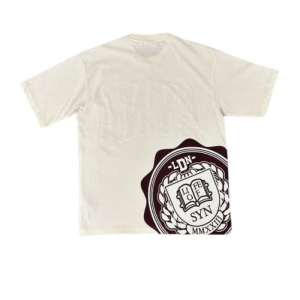
Founded in Tokyo in 1969 by the visionary Rei Kawakubo, Comme des Garcons began as a whisper in the fashion world, gradually crescendoing into a radical voice. Kawakubo’s early designs were stark, black, and intentionally asymmetrical, challenging the prevailing notions of elegance.
From the start, the brand wasn’t just selling clothes; it was selling a philosophy, a rebellion, and a questioning of aesthetic norms. The roots in Japan, a country that marries minimalism with meticulous craftsmanship, gave the label a unique edge from day one.
Philosophy Over Fabric: The Avant-Garde Mindset
Kawakubo often prioritizes concept over comfort, inviting wearers to consider why clothing exists in the first place. Comme des Garcons doesn’t chase trends. It interrogates them. Every collection is a meditation on identity, the body, and societal expectations.
This avant-garde mindset has cultivated a cult-like following.Pieces aren’t just clothes—they are statements, provocations, and, at times, gentle rebellions against the ordinary.
Deconstructing Norms: Clothing as Concept
The brand thrives on the art of deconstruction. Seams are deliberately exposed, shapes are disrupted, and proportions are playful yet precise. Comme des Garcons challenges the linear logic of fashion.
Jackets may hang like sculptures, dresses may float as if unbound by gravity. The designs demand attention—not because they are ostentatious, but because they question the very way we define dressing, identity, and beauty.
Signature Silhouettes and Surprising Shapes
Volume and asymmetry are trademarks. From oversized shoulders to billowing pants, Comme des Garcons bends the human form into unexpected geometries.
The silhouette often defies traditional gender norms, blurring lines and encouraging wearers to embrace fluidity. Each piece has a sculptural quality, making it both wearable and, paradoxically, a piece of performance art.
Colors, Patterns, and the Unexpected
While black dominates, the brand’s palette is far from monotonous. Occasional bursts of fluorescent green, unexpected polka dots, and abstract patterns punctuate the collections, creating visual punctuation that surprises and delights.
Kawakubo’s use of color isn’t decorative—it’s conversational. Each shade, each pattern, communicates an idea, an attitude, a challenge to the conventional.
Street Meets Couture: Accessibility Redefined
Comme des Garcons occupies a rare space between runway drama and streetwear utility. While some pieces remain exclusive haute couture, others infiltrate urban wardrobes, bridging avant-garde artistry with everyday life.
The brand’s diffusion lines, like Play, introduce the subversive aesthetic to a wider audience, proving that the revolutionary can coexist with the routine.
Collaborations That Shake the Fashion World
From partnering with Nike to creating limited-edition pieces with H&M, Comme des Garcons leverages collaboration as a form of cultural commentary.
Each partnership blends conceptual design with mass accessibility, creating buzz, challenging norms, and cementing the brand’s status as a perpetual provocateur.
These collaborations expand the brand’s influence beyond fashion enthusiasts to the broader cultural imagination.
The Cultural Impact of Comme des Garcons
Over the decades, Comme des Garcons Sleeve has infiltrated art, music, and street culture. It has inspired photographers, musicians, and designers alike, creating a ripple effect that transcends fashion.
Its exhibitions are studied in museums, its designs dissected in journals, and its philosophy debated in classrooms. This cultural resonance ensures that the brand isn’t just remembered for clothing but for shaping how we conceptualize style itself.
conclusion
Comme des Garcons into daily life doesn’t require a complete wardrobe overhaul. Start with signature pieces like asymmetrical tops, graphic tees, or playful footwear.
Pair them with neutrals to let the artful design breathe. Embrace layering, volume, and unexpected proportions. The key is subtle audacity; wearing the brand is as much about attitude as it is about fabric. Every day, chic becomes a canvas for the avant-garde.

 Arabic
 French
 Spanish
 Portuguese
 Deutsch
 Turkish
 Dutch
Dutch
 Italiano
 Russian
 Romaian
 Portuguese (Brazil)
 Greek
Greek
