


How Do Anesthesia Billing Services Manage Anesthesia Claims Across Different Locations?
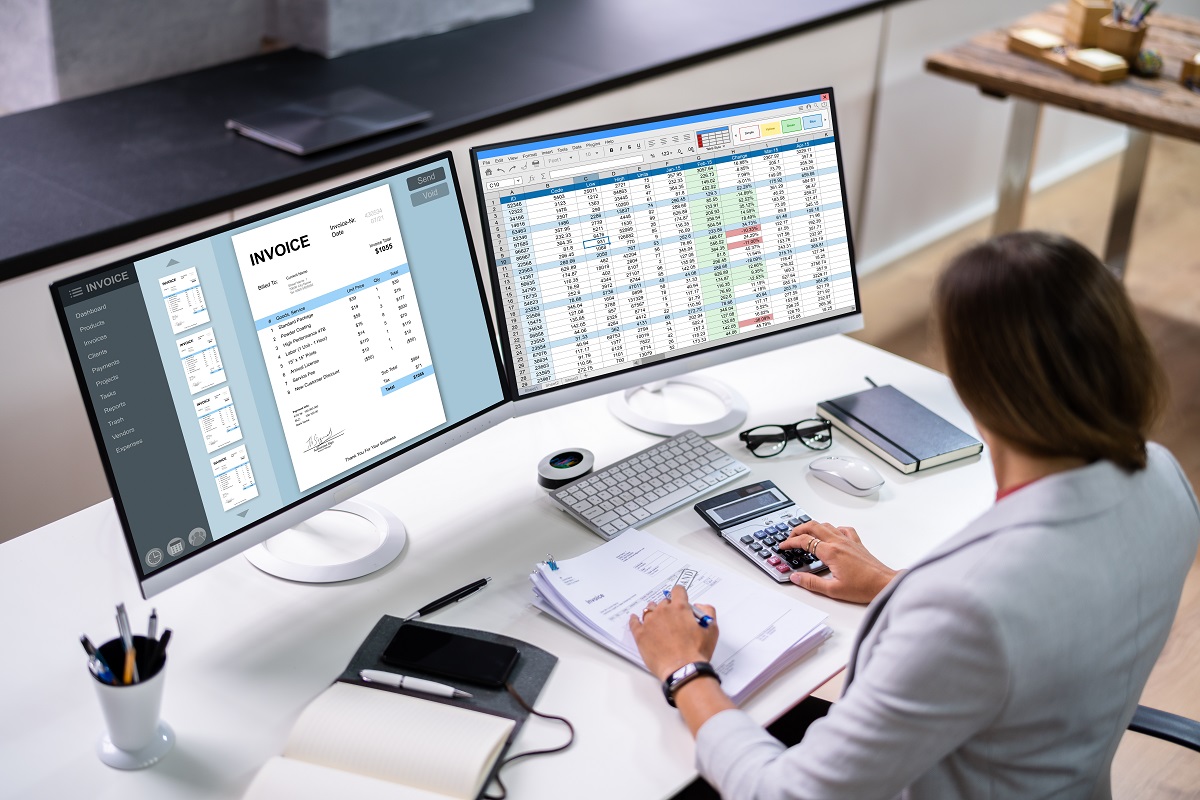
Managing anesthesia claims across multiple healthcare locations can be challenging for anesthesia providers, hospitals, and medical practices. Each facility may have different operational procedures, payer contracts, documentation requirements, and billing workflows. These differences can create complications when submitting claims, tracking reimbursements, and maintaining accurate financial records.
Anesthesia providers working across multiple hospitals, surgical centers, and outpatient facilities need a consistent billing process to avoid claim denials and payment delays. Anesthesia Billing Services help streamline these operations by centralizing billing activities, standardizing claim submissions, verifying patient information, and monitoring reimbursement across different locations.
With organized billing systems and experienced billing professionals, healthcare organizations can improve claim accuracy, maintain financial visibility, and manage revenue more effectively.
Understanding the Challenges of Multi-Location Anesthesia Billing
Anesthesia billing involves several components, including base units, time units, modifiers, provider information, and payer-specific requirements. When providers deliver services at multiple locations, managing these details becomes more complicated.
For example, one anesthesia group may provide services at three hospitals and two ambulatory surgical centers. Each facility may follow different procedures for collecting patient information, recording anesthesia time, and submitting clinical documentation.
Common challenges include:
-
Different payer contracts and reimbursement policies.
-
Inconsistent patient registration procedures.
-
Variations in documentation across facilities.
-
Incorrect provider and facility information.
-
Differences in claim submission requirements.
-
Difficulty tracking payments from multiple locations.
-
Delays in identifying rejected or denied claims.
Without a standardized process, these challenges can affect reimbursement and increase administrative workloads. A centralized billing approach helps providers maintain consistency while addressing location-specific requirements.
1. Centralizing Billing Information Across Multiple Locations
One of the most important ways Anesthesia Billing Services manage multi-location claims is by centralizing billing information. Instead of maintaining separate and disconnected billing records, healthcare organizations can use coordinated systems to manage claims from different facilities.
A centralized system allows billing teams to access essential information, including patient demographics, insurance details, provider credentials, procedure records, and anesthesia documentation.
This approach offers several advantages:
-
Creates a consistent billing process across locations.
-
Reduces duplicate patient and claim records.
-
Improves communication between billing teams and facilities.
-
Makes claim tracking easier.
-
Provides better visibility into outstanding payments.
Centralized billing also helps management compare financial performance across facilities and identify locations experiencing frequent claim rejections or reimbursement delays.
2. Verifying Patient Eligibility and Insurance Information
Insurance eligibility verification is essential when managing anesthesia claims across different locations. A patient may receive anesthesia services at a hospital, outpatient surgical center, or another participating facility. Each location may involve different insurance arrangements and payer requirements.
Billing professionals verify patient insurance coverage before services are provided whenever possible. They review policy information, coverage dates, authorization requirements, network status, and applicable benefits.
Accurate eligibility verification helps identify potential coverage problems before claim submission. It also reduces the likelihood of denials related to inactive insurance policies, incorrect member information, or missing authorizations.
For multi-location practices, maintaining a consistent verification process ensures that every facility follows the same basic procedures while accounting for individual payer policies.
3. Standardizing Anesthesia Documentation and Coding
Accurate documentation is critical for successful anesthesia claim processing. Claims must contain appropriate information about the anesthesia provider, procedure, medical necessity, and time spent delivering anesthesia services.
Different facilities may use different electronic health record systems or documentation templates. These differences can create inconsistencies that affect coding and reimbursement.
Anesthesia Billing Services help establish standardized documentation requirements across locations. Billing teams review records to ensure that important details are available before submitting claims.
Important documentation elements include:
-
Patient and provider identification.
-
Surgical procedure details.
-
Anesthesia start and end times.
-
Applicable anesthesia modifiers.
-
Medical direction and supervision details.
-
Supporting clinical documentation.
Standardized documentation improves coding accuracy and helps billing teams identify missing information before claims reach insurance companies.
4. Managing Location-Specific Payer Requirements
Insurance companies may apply different reimbursement rules depending on provider agreements, facility arrangements, and service locations. A billing process that works for one hospital may not meet the requirements of another facility.
A texas medical billing company supporting anesthesia providers must understand how payer contracts and regional insurance requirements affect claim processing.
Billing teams maintain updated payer information and review contract-specific guidelines before submitting claims. They also confirm that provider identifiers, place-of-service information, and applicable modifiers are correct.
This approach helps prevent errors caused by using the same billing assumptions across different facilities.
Regular reviews of payer policies are equally important because insurance requirements, reimbursement rates, and claim submission procedures can change over time.
5. Tracking Claims and Reimbursements by Facility
When anesthesia providers work across multiple locations, monitoring claim status becomes essential. Without proper tracking, unpaid claims may remain unnoticed, resulting in delayed revenue and increased accounts receivable.
An organized billing system allows teams to monitor claims according to their respective facilities. They can identify whether a claim has been submitted, accepted, rejected, denied, or paid.
Billing teams can use performance reports to evaluate:
-
Total claims submitted by location.
-
Clean claim submission rates.
-
Outstanding insurance balances.
-
Average reimbursement timelines.
-
Denial frequency and common denial reasons.
-
Payments received from individual payers.
These reports provide healthcare administrators with a clearer understanding of financial performance. They also help identify facilities that require additional documentation support or improvements in billing procedures.
6. Handling Denials and Resolving Claim Disputes
Claim denials can occur for several reasons, including incorrect coding, incomplete documentation, eligibility problems, missing authorizations, and payer processing errors.
For multi-location anesthesia practices, identifying the source of a denial is especially important. A recurring problem at one facility may indicate a documentation issue, while denials across multiple locations may point toward a broader billing workflow problem.
Billing professionals review denial explanations, correct claim information, collect missing documentation, and submit appeals when appropriate.
Some reimbursement disputes may also require Independent Dispute Resolution Services, particularly when qualifying out-of-network payment disputes fall under applicable federal or state dispute resolution processes.
These services can help eligible providers pursue disputed reimbursement amounts through established procedures. However, the eligibility requirements, deadlines, and applicable dispute resolution rules must be reviewed before proceeding.
An organized denial management process helps prevent recurring errors and supports more consistent revenue recovery across locations.
7. Using Technology to Improve Multi-Location Billing
Technology plays an important role in managing anesthesia claims across different facilities. Modern billing platforms help healthcare organizations coordinate information, automate repetitive tasks, and monitor claim performance.
Integrated systems can connect patient records, practice management software, clearinghouses, and payment information.
Useful technology features include:
-
Automated eligibility verification.
-
Electronic claim submission.
-
Claim status monitoring.
-
Coding and documentation checks.
-
Automated payment posting.
-
Denial tracking and reporting.
-
Centralized financial dashboards.
These tools reduce manual administrative work and help billing teams identify potential issues earlier.
However, technology alone cannot guarantee accurate reimbursement. Experienced billing professionals must review exceptions, interpret payer requirements, and address complex claims that require additional attention.
8. Maintaining Consistent Communication Between Facilities and Billing Teams
Effective communication is essential for successful multi-location anesthesia billing. Billing teams depend on accurate information from hospitals, surgical centers, anesthesia providers, and administrative departments.
If a facility submits incomplete documentation or delays sending procedure details, the billing process may be interrupted.
Establishing clear communication procedures helps ensure that every location follows consistent reporting standards. Regular updates also allow billing teams to request missing information, resolve discrepancies, and address claim-related questions.
Healthcare organizations should establish clear responsibilities for documentation collection, coding review, claim submission, and payment follow-up.
This coordination reduces unnecessary delays and helps maintain an organized revenue cycle.
How Can Healthcare Providers Improve Multi-Location Anesthesia Billing?
Healthcare providers can improve billing performance by combining standardized workflows, accurate documentation, updated payer information, and regular financial monitoring.
They should also review billing performance separately for each location to identify operational weaknesses. Training facility staff on documentation requirements and establishing consistent communication channels can further reduce preventable claim errors.
Working with experienced billing professionals can provide additional support for managing complex anesthesia claims. Vigilant Medical Billing helps healthcare organizations improve billing accuracy, streamline claim management, and maintain more organized revenue cycle operations.
Conclusion
Managing anesthesia claims across different locations requires coordination, accurate documentation, payer knowledge, and consistent financial monitoring. Differences in facility procedures, insurance requirements, and billing systems can create challenges that affect reimbursement and increase administrative workloads.
Anesthesia Billing Services address these challenges through centralized billing information, standardized coding procedures, eligibility verification, denial management, and technology-supported claim tracking. By implementing these practices, healthcare providers can improve claim accuracy, reduce payment delays, and maintain better financial visibility across multiple facilities.
A well-organized billing process allows anesthesia practices to focus more on patient care while maintaining efficient revenue cycle operations as their services expand to additional locations.
 Romaian
 English
 Arabic
 French
 Spanish
 Portuguese
 Deutsch
 Turkish
 Dutch
 Italiano
 Russian
 Portuguese (Brazil)
 Greek
