


Common Drywall Problems and How to Solve Them Quickly
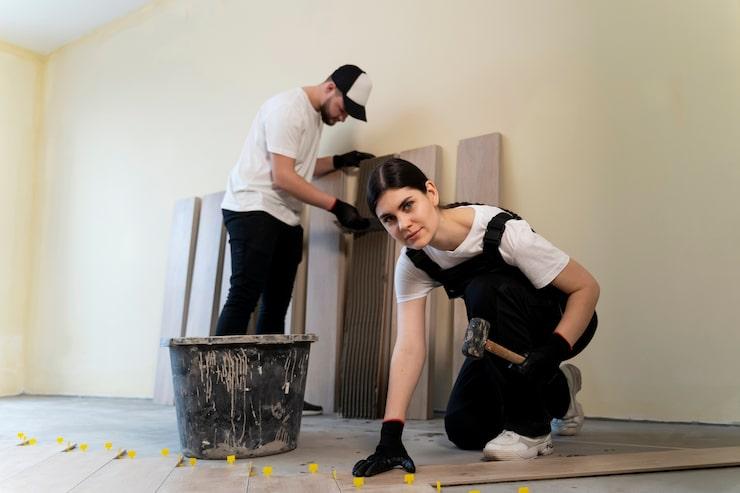
Drywall is one of those things in your home that you don’t really think about until something goes wrong. A small crack, a dent, or a patch of peeling paint can suddenly grab your attention and make the entire room feel unfinished. The truth is, drywall issues are incredibly common, especially in homes that experience temperature changes, humidity, or everyday wear and tear. But here’s the good news: most drywall problems are not only fixable they’re often easier to repair than you might expect.
If you’ve ever noticed imperfections on your walls and wondered whether to ignore them or fix them right away, you’re not alone. Many homeowners delay repairs, thinking they’re too complicated or expensive. In reality, quick fixes can prevent bigger issues later. Whether you’re tackling repairs yourself or working with a professional like a Painting Contractor Minnesota, understanding these problems can help you make smarter decisions and keep your walls looking flawless.
1. Cracks in Drywall
Cracks are probably the most common drywall issue homeowners face. They often appear around doors, windows, or ceilings due to natural settling of the house. While small cracks might seem harmless, they can expand over time if left untreated.
Fixing cracks isn’t as complicated as it looks. Start by cleaning the crack and removing any loose debris. Apply joint compound over the area, place drywall tape on top, and smooth it out with another layer of compound. Once it dries, sand it lightly and repaint the area to match your wall. The key here is patience rushing the process can leave visible lines.
2. Nail Pops and Screw Pops
You might notice small circular bumps or cracks on your walls; these are known as nail or screw pops. They happen when drywall fasteners shift due to wood expansion, contraction, or improper installation.
How to Fix Nail Pops
-
Remove or tighten the popped nail or screw
-
Insert a new screw slightly above or below the original spot
-
Apply joint compound over the area
-
Sand and repaint for a smooth finish
This problem is common in both new and older homes. While it’s not structurally dangerous, it can make your walls look poorly maintained if not addressed.
3. Holes and Dents
Accidents happen—furniture bumps, doorknobs hit walls, or kids get a little too energetic. These incidents can leave unsightly dents or holes in your drywall.
Small holes can be repaired with spackle or joint compound, while larger holes may require a patch. Cut out the damaged section, secure a drywall patch, and cover it with compound. After sanding and painting, the repair should blend seamlessly with the rest of the wall.
4. Water Damage
Water damage is one of the most serious drywall issues. It often appears as stains, soft spots, or bubbling paint. This usually indicates a leak from plumbing, roofing, or humidity problems.
Ignoring water damage can lead to mold growth and structural issues. The first step is identifying and fixing the source of the moisture. Once that’s done, remove the damaged drywall and replace it with a new piece. After installation, finish and paint the area carefully to restore its original look.
5. Peeling Paint on Drywall
Peeling paint is not just a cosmetic issue it often signals poor surface preparation or moisture problems. When paint doesn’t adhere properly, it starts to bubble and peel away.
Steps to Fix Peeling Paint
-
Scrape off all loose and peeling paint
-
Sand the surface until smooth
-
Apply a high-quality primer
-
Repaint using proper techniques
Working with an experienced painter ensures long-lasting results. Poor repainting can cause the problem to return quickly.
6. Visible Seams and Joints
If you can see lines where drywall panels meet, it’s usually due to poor taping or mudding during installation. This issue becomes even more noticeable after painting, especially under bright lighting.
Fixing visible seams requires reapplying joint compound and feathering it out properly. Sand the area until smooth and repaint it evenly. This process may take time, but it’s essential for achieving a professional finish.
7. Mold Growth on Drywall
Mold is not just an eyesore it’s a health hazard. It often develops in damp areas like bathrooms, basements, or poorly ventilated rooms.
To fix mold issues, you need to act quickly:
-
Identify and eliminate the moisture source
-
Remove affected drywall if the damage is severe
-
Clean minor mold with appropriate solutions
-
Replace and repaint the area
Prevention is key. Proper ventilation and moisture control can help keep mold from returning.
8. Uneven or Wavy Walls
Sometimes walls just don’t look straight, even if they’re structurally sound. This can be due to poor installation, uneven studs, or improper finishing techniques.
Correcting uneven walls can be challenging. It may involve applying additional layers of joint compound or, in severe cases, reinstalling sections of drywall. This is one situation where professional help is often worth considering.
9. Corner Bead Damage
Corner beads protect the edges of drywall, but they can get dented or loosen over time. Damaged corners are highly visible and can affect the overall appearance of your space.
Repairing corner beads involves removing the damaged section, installing a new bead, and covering it with joint compound. After sanding and painting, the corner should look as good as new.
10. Poor Drywall Finishing
A bad finish can ruin even a well installed drywall system. Rough textures, uneven paint, and visible imperfections are all signs of poor finishing work.
Achieving a smooth finish requires skill, patience, and the right tools. Multiple thin layers of compound, proper sanding, and quality paint make all the difference. This is why many homeowners choose to work with professionals for the final touches.
Conclusion
Drywall problems are a normal part of homeownership, but they don’t have to be permanent. From small cracks and nail pops to water damage and mold, most issues can be fixed quickly with the right approach. The key is identifying the problem early and taking action before it worsens.
Whether you’re handling repairs yourself or hiring a professional, understanding these common drywall issues gives you an advantage. It helps you maintain your home’s appearance, protect its structure, and avoid unnecessary expenses. A little effort goes a long way in keeping your walls smooth, strong, and visually appealing.
FAQs
1. What is the most common drywall problem?
Cracks and nail pops are among the most common issues homeowners encounter.
2. Can I fix drywall problems myself?
Yes, many minor issues like small holes and cracks can be repaired with basic tools and materials.
3. When should I replace drywall instead of repairing it?
Severe water damage or mold growth often requires full replacement rather than repair.
4. How do I prevent drywall damage?
Maintain proper humidity levels, fix leaks quickly, and avoid physical impacts on walls.
5. Should I hire a professional for drywall repairs?
For large or complex repairs, hiring an expert ensures better and longer-lasting results.

 Arabic
 French
 Spanish
 Portuguese
 Deutsch
 Turkish
 Dutch
Dutch
 Italiano
 Russian
 Romaian
 Portuguese (Brazil)
 Greek
Greek
