


Varicose Vein Treatment Devices Latest Innovations
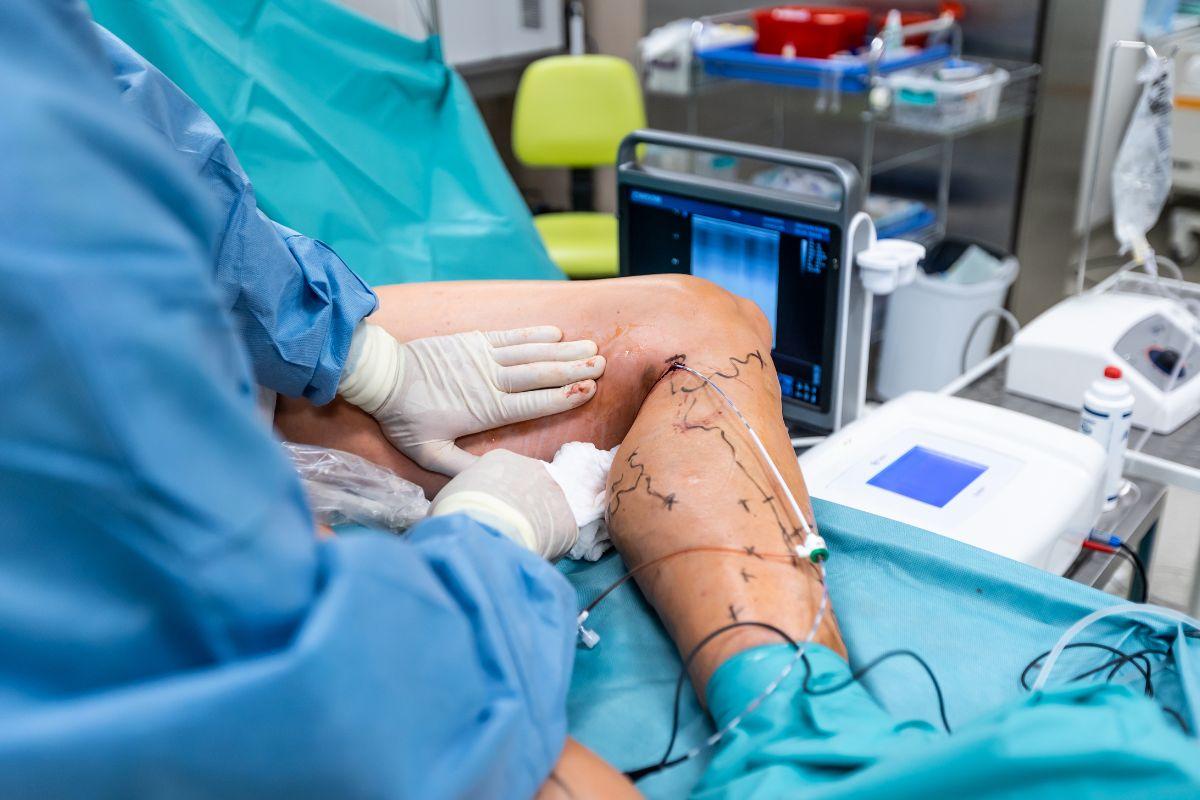
Varicose veins are a common vascular condition in which veins become enlarged, twisted, and more visible, often in the legs. Advances in medical technology are changing how these veins are evaluated and treated, with increasing attention on minimally invasive procedures, improved imaging, and devices designed to provide controlled treatment with shorter recovery periods.
Modern varicose vein treatment devices include technologies for endovenous laser ablation, radiofrequency ablation, vein closure, sclerotherapy, and ultrasound-guided procedures. These innovations are helping healthcare professionals expand treatment options while focusing on patient comfort, procedural precision, and recovery.
Understanding Varicose Vein Treatment
Varicose veins commonly develop when valves within the veins do not function properly, allowing blood to flow backward and accumulate. Treatment depends on the severity of the condition, symptoms, vein anatomy, and overall health of the patient.
Traditional surgical approaches such as vein stripping have increasingly been complemented or replaced in many cases by minimally invasive techniques. Endovenous laser ablation and radiofrequency ablation, for example, use catheter-based approaches to close problematic veins rather than surgically removing them.
The shift toward less invasive treatment has encouraged continued innovation in device design and procedural technology.
Endovenous Laser Ablation
Endovenous laser ablation (EVLA) is an established technology used to treat certain superficial venous reflux conditions. During the procedure, a laser fiber is introduced into the affected vein and controlled thermal energy is used to close the target vessel.
Modern laser systems are designed to deliver energy in a controlled manner. Improvements in fiber design, energy delivery, and treatment monitoring can help clinicians perform procedures with greater precision.
The U.S. FDA has cleared endovenous laser systems for treating varicose veins and related superficial venous reflux conditions.
Radiofrequency Ablation Technology
Radiofrequency ablation (RFA) is another important technology in modern vein treatment. It uses radiofrequency energy delivered through a catheter to heat and close the affected vein.
RFA has become an important treatment option for great saphenous vein varicosities, and recent clinical research continues to evaluate newer RFA systems and energy-delivery approaches. A 2026 randomized trial reported noninferior outcomes for a newer RFA system compared with an established reference system, while also highlighting the potential value of real-time temperature feedback and energy modulation.
These developments demonstrate how device engineering is increasingly focused on controlled energy delivery and procedural consistency.
Non-Thermal Vein Closure Technologies
Innovation in varicose vein treatment is not limited to thermal technologies. Non-thermal approaches have also expanded the range of options available to clinicians.
Cyanoacrylate-based vein closure systems use an adhesive to close the targeted vein rather than relying on heat. The FDA has approved the VenaSeal Closure System for permanent closure of certain lower-extremity superficial truncal veins in adults with symptomatic venous reflux diagnosed using duplex ultrasound.
Non-thermal approaches may be particularly valuable when clinicians want to reduce reliance on thermal energy during treatment.
The Growing Role of Ultrasound Guidance
Imaging technology plays an important role in modern varicose vein procedures. Duplex ultrasound can help clinicians identify reflux, assess vein anatomy, guide catheter placement, and monitor treatment.
Better imaging can contribute to more precise treatment planning and help clinicians identify the appropriate vein segments for intervention.
As device technology and imaging systems continue to develop together, the combination may support increasingly targeted and image-guided procedures.
Focus on Patient Comfort and Recovery
One of the major drivers of innovation is the demand for treatment approaches that minimize disruption to patients. Minimally invasive procedures can often be performed in outpatient settings and may provide faster recovery compared with traditional surgical approaches.
Research comparing modern treatment approaches has reported favorable patient satisfaction and recovery outcomes with minimally invasive technologies such as RFA.
Device manufacturers are therefore focusing on technologies that can simplify procedures, improve energy control, and support predictable treatment outcomes.
Smart Energy Delivery and Device Design
Another important direction is the development of systems that provide more controlled energy delivery. Advanced generators and catheters can incorporate temperature monitoring, automated energy adjustment, and other features intended to improve consistency.
For example, recent FDA records show continued development and regulatory clearance of newer endovenous RFA systems, indicating ongoing innovation in catheter and generator technology.
Such improvements can help clinicians manage treatment parameters more precisely and potentially reduce unnecessary exposure of surrounding tissues.
Expanding Treatment Options
The varicose vein treatment landscape now includes several technologies, including:
-
Endovenous laser ablation
-
Radiofrequency ablation
-
Cyanoacrylate vein closure
-
Ultrasound-guided sclerotherapy
-
Mechanochemical ablation
-
Compression and supportive vascular devices
-
Advanced duplex ultrasound systems
The availability of multiple technologies allows clinicians to consider different treatment strategies according to patient anatomy, disease severity, and clinical requirements.
The continued development of these technologies is also supporting the growth of the Varicose Vein Treatment Devices Market, as healthcare providers increasingly adopt minimally invasive solutions.
Future Innovations in Varicose Vein Treatment Devices
The next generation of varicose vein treatment devices is likely to focus on precision, automation, imaging integration, and patient-specific treatment.
Emerging technologies include high-intensity focused ultrasound, improved laser systems, radiofrequency platforms with enhanced temperature monitoring, automated sclerotherapy systems, and robotic-assisted catheter technologies.
Artificial intelligence and advanced imaging could also support better identification of abnormal veins and treatment planning in the future. As data-driven healthcare expands, device manufacturers may increasingly integrate software and imaging capabilities into vascular treatment platforms.
Conclusion
Innovations in varicose vein treatment devices are changing the way clinicians approach venous disease. From laser and radiofrequency ablation to non-thermal closure systems and advanced ultrasound guidance, modern technologies are providing more minimally invasive options for patients.
The continued development of smarter energy delivery systems, improved imaging, and patient-focused technologies is expected to further shape vascular care. As clinical research and device innovation progress, the focus will remain on delivering precise, effective, and increasingly personalized treatment for people affected by varicose veins.

 English
 French
 Spanish
 Portuguese
 Deutsch
 Turkish
 Dutch
Dutch
 Italiano
 Russian
 Romaian
 Portuguese (Brazil)
 Greek
Greek
